What a Vision Standard Actually Requires
The vision test at renewal measures two things: how sharply somebody sees and how wide a field they see across. Correction is permitted, standards differ between states, and failing a screening at a counter is the beginning of a process rather than the end of driving.
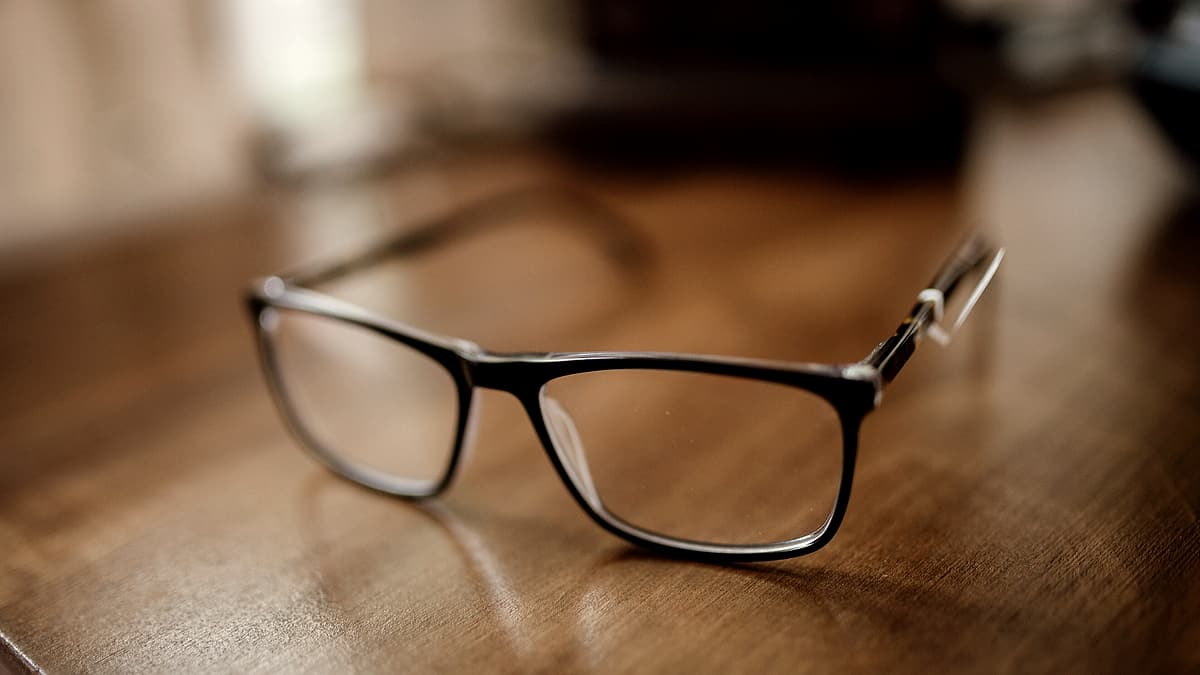
The rule in short
States set vision standards for licensing, generally covering visual acuity and frequently a minimum field of vision. Correction with lenses is permitted and a license may be conditioned on wearing it. Failing a screening at renewal usually leads to a referral for professional examination rather than an immediate refusal, and a report from an eye specialist may establish that the standard is met or support a conditioned license.
The machine at the counter takes about forty seconds and produces a result that can change how somebody lives. It is worth understanding what it measures and, more importantly, what happens when it produces a bad answer.
What is measured
Visual acuity. How sharply somebody sees at distance, expressed as a ratio and measured with whatever correction they normally wear when driving.
Field of vision. How wide an area is visible while looking straight ahead, which many states specify and which is reduced by several common conditions.
Sometimes each eye separately. As well as both together, since a person with one good eye may meet a combined standard and not a monocular one.
Occasionally other factors. Including color discrimination or contrast sensitivity in some places, though these are less commonly part of a screening.
And correction is permitted. So the question is whether the standard is met as the person actually drives rather than unaided.
Conditions that affect it
Cataract. Which reduces acuity and contrast gradually, is extremely common with age, and is generally correctable by treatment.
Glaucoma. Which reduces peripheral field first and centrally last, so it is missed by anybody testing only sharpness.
Macular degeneration. Which affects central vision, making a chart difficult while peripheral awareness remains intact.
Diabetic changes. Which vary and can fluctuate, so a result on one day may not describe the position on another.
And the effects of a stroke. Which can remove a portion of the visual field entirely and is frequently undetected by the person affected.
| Measure | What it tests | Commonly affected by |
|---|---|---|
| Visual acuity | Sharpness at distance | Cataract, macular degeneration |
| Field of vision | Peripheral awareness | Glaucoma, stroke |
| Each eye separately | Monocular function | Injury, one-sided conditions |
| Low-light vision | Night driving | Cataract, ageing generally |
| Correction permitted | Not a test | Out-of-date prescriptions |
What happens after a failed screening
A referral rather than a refusal. In most states, with a form for an eye specialist to complete and a period in which to return it.
A professional examination. Conducted properly, which frequently produces a different result from a machine at a counter in a busy office.
A report to the licensing authority. Stating the measurements and whether the standard is met, with or without correction.
A decision on the license. Which may be renewal, renewal with conditions, or refusal, on the framework in licenses with conditions attached.
And a right to challenge. Where the outcome is adverse, per contesting a suspension.
People renew licenses having not had an eye examination for several years, and fail a screening they would have passed with a current correction. The examination costs an appointment, the correction costs a pair of lenses, and both are considerably cheaper than a referral, a specialist report, and several months of uncertainty about whether a license will be renewed. Arranging it before rather than after a renewal is the single most useful step available.
What to do in advance
Have an examination first. Before a renewal, so that any correctable problem is corrected rather than discovered at a counter.
Update the prescription. Since an out-of-date correction is a common and entirely avoidable cause of a failed screening.
Ask about the field of vision specifically. Since a routine examination for spectacles may not test it and it is the measurement people fail without knowing.
Treat what is treatable. Particularly cataract, which is common, correctable and frequently the whole of the problem.
And know the state's standard. Since it is published, differs between states, and is what the screening is measured against.
If the standard genuinely cannot be met
Conditions may still permit driving. Daylight only, within a radius, or on specified roads, depending on what the state allows.
A specialist opinion still helps. Since a report explaining the functional position may support conditions where an unexplained failure would not.
The decision can be challenged. On the procedures available, which include a hearing in most states and are worth using.
Alternatives should be arranged. Practically rather than in principle, on the material in what independence costs in practice.
And identification remains available. Through a card rather than a license, which matters for everyday transactions.
The vision requirement is the licensing rule that affects the most people and receives the least preparation, largely because everybody assumes their eyes are much as they were.
The two measurements do different work. Acuity is what everybody expects to be tested and field of vision is what people fail without any idea that it was in question.
Glaucoma in particular removes peripheral vision gradually and painlessly, and a person can lose a substantial part of their field without noticing anything at all.
Failing a screening at a counter is not a decision. It is a referral, and a proper examination frequently produces a different answer from a machine in a busy office.
The single most useful preparation is an eye examination before the renewal, with the field of vision specifically checked rather than assumed.
Cataract is worth treating for this reason among others, since it is common, correctable and frequently the whole of the problem.
Where the standard is met only with correction, a condition requiring lenses is an ordinary outcome and not a restriction anybody should resist.
Where it cannot be met at all, conditions permitting limited driving are available in many states and are worth asking about rather than assuming the answer is a refusal.
Adverse decisions can be challenged, and the routes for doing so are real, so a refusal at the first stage is not the end of the matter.
And where driving is genuinely going to end, arranging the alternatives in advance is what makes the difference between a difficult adjustment and an isolating one.
One further point applies to families rather than to drivers. A parent who has quietly stopped driving at night, or who avoids certain junctions, has usually noticed something about their own vision before anybody else has, and the adaptation is evidence of judgment rather than of decline.
Treating those adaptations as a warning sign to be reported, rather than as a sensible response to a change the person has themselves identified, is a good way to ensure that nothing further is mentioned to anybody.
The interval between tests is itself age-dependent in many states, and renewal rules that change with age set out when the shorter cycle begins. The more useful response is a suggestion that the eyes are worth having looked at, which is unobjectionable, which any adult would accept from a family member, and which frequently produces a correctable finding and the return of the driving that had been given up. Cataract surgery in particular restores night driving to a great many people who had quietly concluded that part of their life was over.
Points to carry away
- Standards generally cover acuity and field of vision.
- Correction is permitted and may become a license condition.
- Standards differ between states.
- Failing a screening leads to referral rather than refusal.
- A specialist report can establish that the standard is met.
Questions readers ask
What is field of vision and why does it matter?
It is the extent of what somebody can see while looking straight ahead, measured in degrees across the horizontal plane. It matters for driving because peripheral awareness is what detects a vehicle approaching from the side, a pedestrian stepping off a curb, or a cyclist alongside. Conditions such as glaucoma and certain strokes reduce it without affecting central sharpness at all, which is why somebody can read the smallest line on a chart and still fall short of a licensing standard.
Does failing the screening end driving immediately?
Generally not. A screening at a counter is a rough measure taken in poor conditions by staff who are not clinicians, and the usual consequence is a referral for a professional examination rather than an immediate refusal. A report from an optometrist or ophthalmologist may establish that the standard is met with correction, or support a license with conditions attached. Where the standard genuinely cannot be met, the position is different, and even then conditions may allow limited driving in some states.
Can a license be conditioned on wearing glasses?
Yes, and it is the commonest condition of all. Where the standard is met with correction but not without it, the license carries a requirement to wear the correction while driving, which is enforceable in the ordinary way. Other conditions relating to vision include restrictions on driving at night, which are frequently imposed where a driver's vision in low light falls short even though daytime acuity is adequate.
Sources
- Legal Information Institute — Driver's Licenselaw.cornell.edu
- Legal Information Institute — Disabilitylaw.cornell.edu
- Legal Information Institute — Administrative Lawlaw.cornell.edu
- Legal Information Institute — Due Processlaw.cornell.edu
- Legal Information Institute — Reasonable Accommodationlaw.cornell.edu
- Legal Information Institute — Elder Lawlaw.cornell.edu
Silverline Legal Notes is a publication, not a law firm. This article states general rules and cites its sources; it is not advice about any particular case, and the law differs by state and changes over time.
More in Driving & Independence
Who May Report a Driver, and Who Must
States differ on who may report a driver whose fitness is in question. Clinicians may report in most places and must in some, for defined conditions. Family members, law enforcement and licensing staff may generally report. Confidentiality of the reporter's identity and immunity for good-faith reports both vary by state, which makes the local position the first thing to establish before anybody decides what to do.
Renewal Rules That Change With Age
Licensing is a state matter, and many states apply different renewal requirements above a defined age: shorter renewal cycles, a requirement to renew in person, vision screening at each renewal, and in a few places a knowledge or road test. The variation between states is substantial. None of this is a judgment about an individual driver; it is a general rule applied by age, and the requirements are published.

Evidence That Supports a Driver
The evidence that supports a driver is direct rather than argumentative: an on-road evaluation by a qualified assessor, a clinical statement addressing each relevant function, records showing a condition is treated and stable, an accurate driving history, and observations from people who see the person drive regularly. A specific proposal for conditions frequently converts a borderline case into a favorable outcome.